
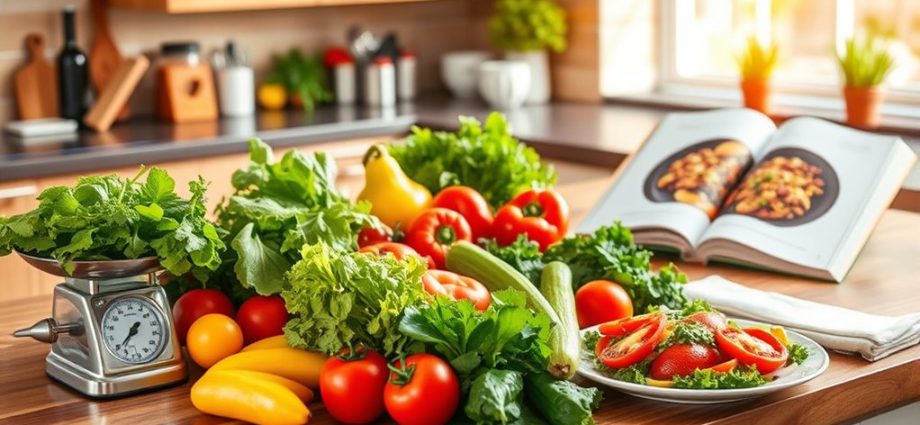
To successfully follow the 21-Day Diet, start by planning your meals using the color-coded containers for portion control. Focus on lean proteins, complex carbs, and healthy fats while avoiding processed foods and added sugars. Stay hydrated by drinking 2-3 liters of water daily, and maintain consistent meal times every few hours. Track your progress with meal journaling and prep meals in advance to stay organized. By following these steps, you’ll be well on your way to achieving your goals. Discover additional tips and strategies to enhance your success.
21 Day Diet Guide
The 21-Day Diet Guide offers a structured approach to weight loss and healthy eating, making it an appealing option for those looking to reset their habits. If you’re ready to kickstart your journey, understanding the key components is essential. This guide provides you with a clear, step-by-step method to maximize your success during those transformative three weeks.
The 21-Day Diet Guide offers a clear, structured path to reset your habits and achieve lasting weight loss success.
Start by embracing the core principles of the 21-Day Diet. This diet operates on the foundation of a moderate caloric deficit, which encourages fat loss while helping preserve muscle. You’ll focus on balanced macronutrients, aiming for lean proteins, complex carbs, and healthy fats. The program utilizes seven color-coded containers to facilitate portion control, simplifying meal planning.
Prioritize whole and minimally processed foods over packaged options to nourish your body effectively. As you set your meal times, aim to eat consistently throughout the day, every three to four hours. Don’t forget hydration; drinking 2-3 liters of water daily is often encouraged to support your overall health and promote a healthy metabolism.
When it comes to planning your meals, find a format that works best for you. You might prefer the color-coded container method of the 21 Day Fix, which simplifies portion control, or explore the 21-Day Rapid Fat Loss plan that mixes in high-carb “free” days.
Depending on your preferences, structured meal plans can provide you with a complete menu for the entire 21 days, ensuring you have variety and balance. If you like flexibility, customized food lists allow you to make choices while staying within the guidelines.
As you build your meals, focus on incorporating lean proteins such as chicken, turkey, and fish, along with plant-based options like tofu and Greek yogurt. Embrace complex carbohydrates, including oats, quinoa, and brown rice. Fresh vegetables should form a large part of your meals, while fruits like berries and bananas add natural sweetness in moderation.
Include healthy fats from avocados, nuts, and olive oil, but keep these portions in check to maintain that caloric deficit. While you’re welcoming healthy foods, be mindful of what to limit or avoid. Cut back on added sugars found in sodas and pastries, and steer clear of high-fat processed foods like fried items and fast food.
Refined carbs, such as white bread and sugary snacks, can hinder your progress. Alcohol typically doesn’t provide nutritional value either, so consider limiting your intake during these three weeks.
Finally, tracking your progress is key. Plan your meals and create grocery lists to keep yourself organized and accountable. Food journaling or using tally sheets can help you monitor your intake more effectively. Meal prepping in advance makes sticking to your plan easier and helps you resist temptation when cravings kick in.
Conclusion
In just 21 days, you can transform your eating habits and feel revitalized. Remember, “Rome wasn’t built in a day”—patience and commitment are key. Stick with the plan, stay motivated, and celebrate each small victory along the way. By adopting healthier choices, you’re not just following a diet; you’re embracing a lifestyle that nourishes your body and mind. Keep pushing forward, and soon, you’ll see the fruits of your labor blossom into lasting change.
Comments are closed, but trackbacks and pingbacks are open.