
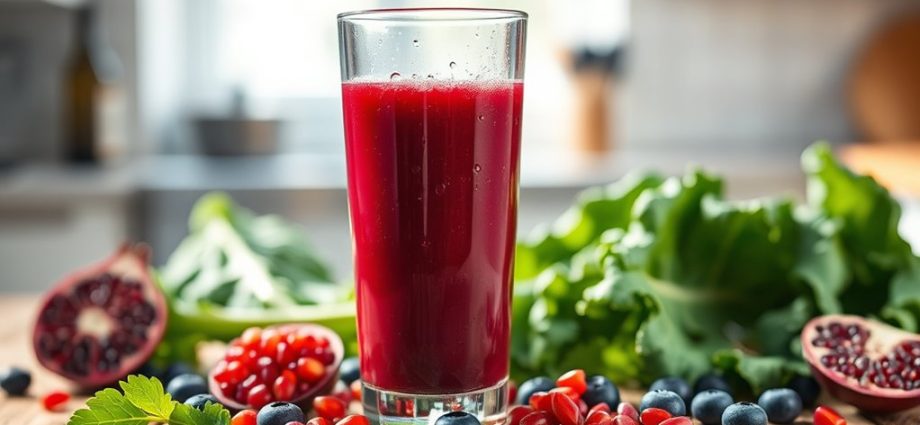
Antioxidant juice is packed with compounds like anthocyanins and vitamin C that help your body fight oxidative stress and support DNA integrity. Drinking these juices regularly lowers harmful cholesterol, reduces inflammation, and boosts immune health. They also increase your circulating antioxidants, improving heart and metabolic function. Plus, combining these juices with other antioxidants enhances their effectiveness. If you want to understand how these juices work synergistically and contribute to overall well-being, keep exploring the details.
Although many people enjoy fruit and vegetable juices primarily for their invigorating taste, consuming antioxidant-rich juices offers important health benefits backed by scientific research. When you drink juices rich in antioxidants, such as those high in anthocyanins or vitamin C, you’re supporting your body’s defense against oxidative stress—one of the key contributors to cellular damage and aging.
Studies show that anthocyanin-rich juices markedly reduce DNA strand breaks within just 24 hours, and sustained consumption over weeks continues to protect your DNA integrity. This effect isn’t limited to anthocyanins alone; juices containing vitamin C in concentrations above 500 mg/L also play an essential role in enhancing antioxidant defenses by increasing enzyme activities like superoxide dismutase (SOD), which neutralizes harmful free radicals. Moreover, 100% fruit and vegetable juices provide a rich source of bioactive compounds, including (poly)phenols and carotenoids, which contribute to these antioxidant benefits.
Anthocyanin and vitamin C-rich juices rapidly protect your DNA and boost key antioxidant enzymes like SOD.
Not only do these juices protect your genetic material, but they also influence lipid metabolism beneficially. Research indicates both anthocyanin-rich juices and placebos with high vitamin C content can lower LDL cholesterol and total cholesterol levels—factors intimately linked to cardiovascular health.
Curiously, anthocyanin-rich juices have been shown to reduce body fat while increasing fat-free mass, effects not observed with vitamin C-rich placebos. This suggests that specific antioxidant compounds may offer unique metabolic benefits beyond general antioxidative support.
Orange juice serves as a classic example of how juices can enhance your antioxidant and anti-inflammatory status. With its natural flavonoids and ascorbic acid, 100% orange juice helps modulate oxidative stress markers and inflammation-related chemicals in your body.
Regular OJ consumers tend to have diets richer in essential nutrients like potassium, calcium, and vitamin D, accompanied by lower intake of added sugars compared to non-consumers—promoting overall healthier dietary patterns. Although processing reduces some fiber and vitamins, orange juice retains much of the fruit’s antioxidant content, contributing to sustained serum antioxidant levels after prolonged consumption.
Additionally, meta-analyses confirm that orange juice doesn’t adversely affect body weight, alleviating concerns about sugar content and reinforcing its role in maintaining healthy inflammation levels.
When you expand your antioxidant juice intake to include red orange or vegetable juices, you benefit from reduced biomarkers of oxidative stress, such as malondialdehyde (MDA) and protein carbonyls. These juices raise circulating antioxidants, including vitamin C, α-tocopherol, and glutathione, key compounds that combat oxidative damage.
Juices rich in β-cryptoxanthin demonstrate further cardiovascular benefits by lowering pulse wave velocity, a measure of arterial stiffness linked to heart disease risk. Furthermore, plasma concentrations of potent antioxidants like cyanidin-3-glucoside, lutein, and lycopene increase with juice consumption, supporting long-term antioxidant defense.
Citrus juices particularly enhance the stability and absorption of other antioxidants like green tea catechins during digestion. Vitamin C acts as a stabilizing agent, boosting catechin bioavailability by six to thirteen times, which translates to improved systemic antioxidant effects beyond the juice itself.
This synergistic interaction means when you combine citrus juice with other antioxidant sources, you maximize your body’s ability to utilize these beneficial compounds.
Finally, incorporating antioxidant-rich juices into your daily routine contributes to improved immune health and recovery from illness. Clinical evidence points to notable improvements in general health parameters with consistent juice supplementation, illustrating how these beverages do more than just quench thirst—they actively promote resilience and recovery. They also help improve diet quality and nutrient intake, which supports various aspects of health.
Conclusion
Think of antioxidant juice as your body’s natural shield. Just like a knight relies on armor to fend off arrows, your cells depend on antioxidants to combat harmful free radicals. Studies show that regularly drinking antioxidant-rich juice can reduce oxidative stress, improving overall health and vigor. By making it a part of your routine, you’re not just sipping a drink—you’re boosting your body’s defense system and investing in long-term wellness.