
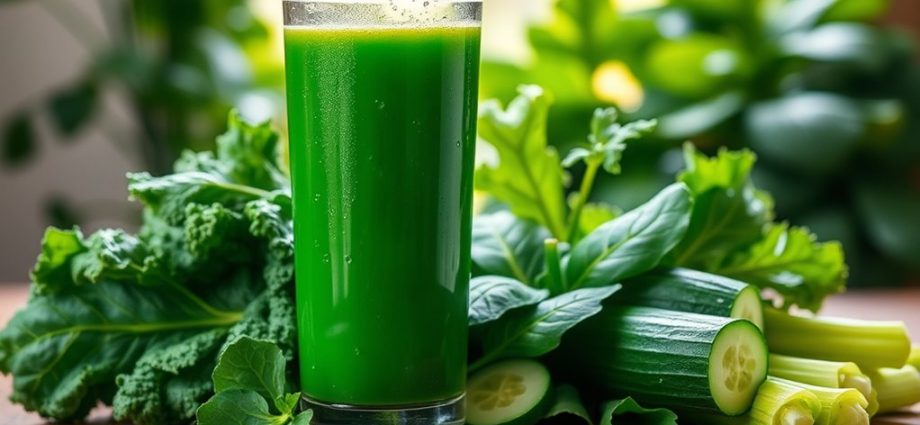
Drinking green juice packs your body with essential vitamins like A, C, and K, plus minerals such as potassium and magnesium. It boosts your immune system with antioxidants and carotenoids that support cellular health. You’ll also benefit from improved heart health by lowering LDL cholesterol and enhancing blood flow. Additionally, green juice helps reduce inflammation and supports gut health by positively influencing your microbiome. There’s more to discover about how this nutrient-rich drink can enhance your well-being.
If you’re looking to boost your nutrient intake efficiently, green juice offers a concentrated source of essential vitamins and minerals like A, C, K, folate, potassium, and magnesium. By incorporating green juice, particularly those made from nutrient-rich leafy greens such as kale, spinach, and celery, you quickly supplement your diet with important micronutrients and dietary fiber. Common ingredients include leafy greens such as kale and spinach, cucumber, celery, and lemon, all blended or cold-pressed for maximum nutrient retention.
Green juice, rich in leafy greens, rapidly enhances your diet with vital vitamins, minerals, and dietary fiber.
For instance, a 600 ml serving of fruit and vegetable juice can deliver up to 450 mg of vitamin C along with bioactive carotenoids like lutein, zeaxanthin, and lycopene. Regular consumption of 100% fruit and vegetable juices is shown to raise plasma levels of these carotenoids and vitamin C, which play critical roles in maintaining cellular health and immune function. This is especially valuable if you struggle to meet recommended fruit and vegetable intakes, a common gap contributing to chronic lifestyle-related diseases.
Drinking green juice also supports your cardiovascular health by improving blood lipid profiles and modulating risk factors linked to heart disease. Research has identified compounds such as S-methylcysteine sulfoxide (SMCS) from cruciferous vegetables present in green juice, which actively lower LDL cholesterol levels. This insight led to the development of specialized green juice formulations, like Midori de Salana, designed to provide effective daily doses of SMCS and accredited by Japan’s FOSHU program.
In addition, juices rich in berries and polyphenols can inhibit arterial lipid buildup, helping prevent early-stage atherosclerosis. Supplementing your diet with antioxidant-dense juices reduces plasma lipid oxidation by approximately 29% while boosting overall plasma antioxidant capacity by 115%, enhancing the body’s defenses against oxidative stress linked to cardiovascular damage.
The antioxidant and anti-inflammatory properties of green juice further contribute to its health benefits. Regular intake of fresh vegetable juices, such as carrot or orange juice, greatly increases your plasma’s total antioxidant capacity. This elevation in antioxidant defense correlates with a decrease in malondialdehyde, a reliable biomarker of lipid peroxidation and oxidative damage.
Animal studies reveal that green juices reduce both lipoperoxidation and the activity of catalase, an oxidative stress marker, indicating systemic reductions in oxidative damage and inflammation. Furthermore, a juice-based diet results in lower urinary levels of lipid oxidation markers, underscoring its potential to mitigate oxidative stress across multiple organ systems.
Beyond antioxidant effects, green juice impacts your gut microbiota and digestive health by modulating microbial composition. Short-term juice diets, even as brief as three days involving multiple bottles of green, root, and citrus juices, produce measurable changes in intestinal microbiota alongside modest weight loss in healthy adults. Jugo offers fresh, cold-pressed green juice featuring key ingredients to support such digestive and immune benefits.
Similarly, consuming orange juice daily for a week alters microbiota profiles, with variations depending on the juice cultivar due to differing vitamin C, flavanone, and carbohydrate content. High polyphenol content in these juices enhances endothelial nitric oxide synthase (eNOS) activity, which improves vascular health by promoting nitric oxide availability and better blood flow.
This multifaceted influence on your gut and systemic physiology highlights green juice as a potent dietary tool for maintaining overall health.
Conclusion
Incorporating green juice into your routine can boost your nutrient intake effortlessly. Studies show that people who drink green juice regularly consume 20% more vitamins and antioxidants, promoting better digestion and stronger immunity. By sipping on green juice, you’re giving your body a powerful dose of essential nutrients in one convenient glass. So, why not take advantage of this simple habit? It’s a smart, evidence-based way to support your overall health every day.
Comments are closed, but trackbacks and pingbacks are open.