
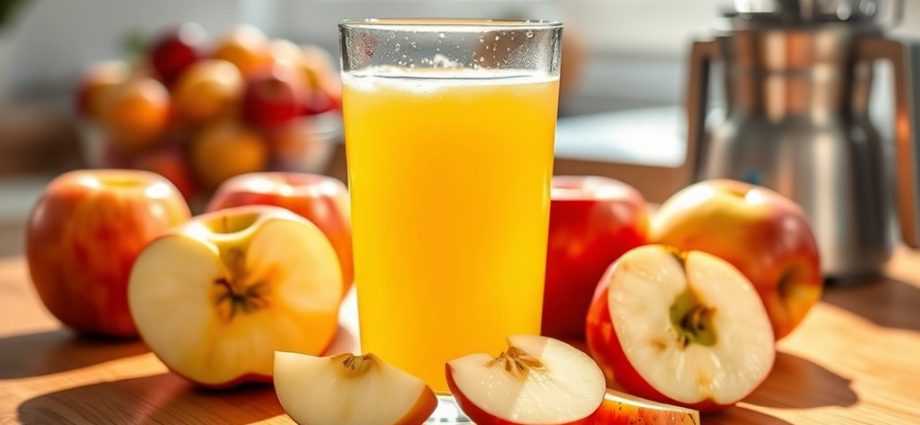
Apple juice can be good for you when you drink it in moderation. It’s hydrating and provides polyphenol antioxidants that support heart health, improve blood vessel function, and may lower inflammation and oxidative stress. Research links regular intake with better LDL oxidation resistance and potential protection against some cancers, especially when you choose cloudy juice with pulp. However, it’s high in natural sugars and low in fiber, so whole apples usually win—there’s more to weigh before you pour.
How healthy is a glass of apple juice, really? When you look beyond the marketing, you find a mix of benefits and limitations that depend heavily on dose and context. Because apple juice is about 88% water, it can help support hydration, particularly when offered as a diluted option instead of sugar‑sweetened soft drinks.
From a cardiovascular standpoint, moderate intake looks reasonably favorable. In about 20 human intervention studies, apple juice improved markers linked to heart disease risk, especially oxidative stress. Compounds in the juice act as antioxidants, delaying oxidation of LDL, the “bad” cholesterol. That delay helps slow plaque buildup in coronary arteries, a central process in atherosclerosis.
Moderate apple juice intake may favorably impact heart health by reducing oxidative stress and slowing LDL oxidation.
Clinical trials suggest you can see measurable shifts in LDL behavior. After about six weeks of moderate daily apple juice intake, participants in some studies showed roughly a 20% increase in LDL oxidation lag time. In practical terms, their LDL particles resisted oxidative damage longer, which typically translates to lower atherosclerosis risk over the long term.
Polyphenols in the juice also appear to support blood lipid management, improve blood flow, and enhance endothelial function, all of which matter if you’re trying to protect long‑term cardiovascular health.
You also get short‑term antioxidant effects. Studies show that after you drink apple juice, your plasma antioxidant capacity rises within 30 minutes and stays elevated for at least 90 minutes. That boost reflects not just vitamin C but a broad mix of polyphenols.
In controlled trials, combining daily apple and grape juice increased the activity of key antioxidant enzymes like glutathione peroxidase and catalase. These shifts reduce oxidative damage to lipids and may help protect DNA and proteins, mechanisms relevant to aging and chronic disease.
Cloudy apple juice, which contains more pulp, tends to deliver stronger antioxidant effects than clear, filtered juice because it retains more polyphenols. Notably, the antioxidant activity of apple juice compounds in delaying LDL oxidation is comparable to that of red wine and tea, though you obviously avoid alcohol‑related risks. In a UC Davis School of Medicine trial published in the Journal of Medicinal Food, both apples and apple juice were shown to delay LDL oxidation, reinforcing their potential role in heart‑healthy diets.
On the inflammatory side, apples and apple‑derived products show anti‑inflammatory effects in human and animal studies, which could help lower long‑term risk for conditions such as cardiovascular disease, some cancers, and neurodegenerative disorders.
Cancer‑related findings remain preliminary but encouraging. Epidemiologic research links higher intake of apples and apple products with reduced risks of colorectal, lung, breast, and colon cancers. Lab studies suggest apple juice polyphenols may inhibit cancer cell proliferation, modulate gene expression, and trigger apoptosis, while also improving immune responses and detoxification enzyme activity.
You shouldn’t treat apple juice as a cancer therapy, but it can reasonably fit into a plant‑forward pattern that emphasizes whole fruits, vegetables, and minimally processed foods.
The main caveat is sugar. Even 100% juice concentrates the natural sugars of several apples into a single glass and removes most fiber. If you’re managing diabetes, obesity, or fatty liver disease, you’ll usually do better prioritizing whole apples and keeping juice portions modest, not daily.
Conclusion
You’ve seen that apple juice isn’t a miracle tonic, but it’s not liquid sugar doom either. Research suggests its polyphenols may support heart and brain health, yet scientists still debate how much benefit survives processing and pasteurization. If you choose it, treat it like a sweet snack, not a daily hydrator: favor small portions, 100% juice, and pair it with fiber‑rich foods—while letting whole apples do most of the nutritional heavy lifting for overall health too.
Comments are closed, but trackbacks and pingbacks are open.