
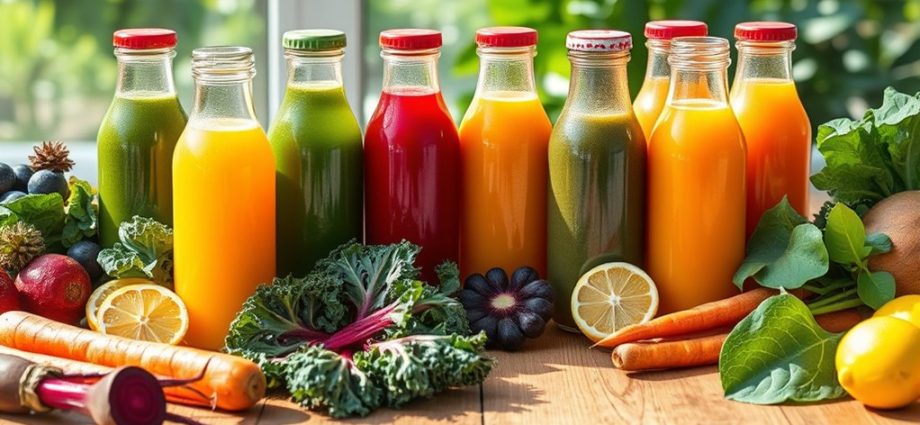
A juice cleanse detox involves drinking only fruit and vegetable juices for several days, aiming to boost nutrient intake while trying to flush out toxins and promote weight loss. While juices provide vitamins and antioxidants, there’s limited scientific evidence that they enhance your body’s natural detox processes. You might lose weight temporarily, but it may not last. Cleanses can cause side effects and aren’t sustainable long-term. Keep exploring to understand the benefits, risks, and how juice cleanses truly work.
Although juice cleanses have gained popularity as a quick way to detoxify the body, you should understand that scientific evidence doesn’t support the claim that they physically remove toxins. A juice cleanse detox typically involves consuming only fruit and vegetable juices for a period ranging from one day up to a week. People often try this liquid-only diet hoping to flush out toxins and impurities from their system, rest their digestive tract, or jump-start weight loss. During the cleanse, you avoid solid foods entirely and might include just water, lemon, or spices mixed in the juices. This short-term regimen is considered a form of detox diet that temporarily changes how you get your nutrients. Many juice cleanses, such as the Gut Health cleanse, also include soups, snacks, and smoothies to provide a balanced nutrition profile.
Juice cleanses involve only fruit and vegetable juices for days, aiming to detox and reset nutrient intake.
You may have heard claims that juice cleanses help your body eliminate toxins, boost nutrition, and even provide clean energy. Because juices contain vitamins, minerals, antioxidants, and polyphenols, they can certainly increase your intake of certain nutrients compared to a diet high in processed foods. Juices may also offer some fiber and reduce exposure to chemicals found in processed or cooked foods. Many people report feeling more energized during a cleanse, likely due to natural sugars and the removal of processed foods known to cause energy crashes. Additionally, juice cleanses can improve digestive health by supporting regular bowel movements and gut function through nutrient-rich juices that promote cleansing of the digestive tract.
Additionally, by cutting out solid foods, you give your digestive system a break and supply it with nutrients that might promote gut health. Some also feel a sense of renewed wellness as they shift away from less nutritious eating habits.
However, when it comes to the actual detoxification claims, mainstream science remains skeptical. Your liver and kidneys are primarily responsible for removing toxins from your body, and there’s no solid evidence that juice cleanses enhance this natural process beyond what these organs do daily. Drinking plenty of fluids, including juices, can help your kidneys function well, but this doesn’t translate to extraordinary toxin removal.
Most of the detox claims come from marketing or anecdotal reports rather than rigorous scientific studies. What research does exist often suffers from small sample sizes or flawed methods, leaving the health community unconvinced.
Regarding weight loss, juice cleanses may help you shed pounds temporarily, mostly because of low calorie intake and water loss. But this weight usually returns soon after you resume regular eating. These cleanses aren’t sustainable for long-term weight management and may even slow your metabolism if you lose muscle mass during the fast. Moreover, the high fiber content in juices can promote satiety, helping to prevent overeating during and after the cleanse, supporting healthier eating habits.
Some studies explore whether changes in gut bacteria during a cleanse might affect metabolism, but that research is still inconclusive. Nutrition-wise, juice cleanses fall short on essential proteins and fats, which are crucial for brain function, tissue repair, and general body health. Longer cleanses risk malnutrition by eliminating whole food groups.
You might also experience side effects like intense hunger, headaches, fatigue, mood swings, dizziness, or fainting. Some cleanses act as laxatives, risking dehydration and electrolyte imbalances. Rarely, kidney damage has been reported, underscoring the significance of caution. If you’re considering a juice cleanse, it’s wise to weigh these factors carefully and consult a healthcare professional to make sure you do it safely.
Conclusion
So, is a juice cleanse detox truly the quick fix it’s often made out to be? While it can offer a break from processed foods and boost your fruit and veggie intake, scientific evidence on its detox benefits is limited. Remember, your liver and kidneys already do the heavy lifting in eliminating toxins. If you try a cleanse, do it mindfully and don’t rely on it as a sole health strategy—balance and sustainability always win.