
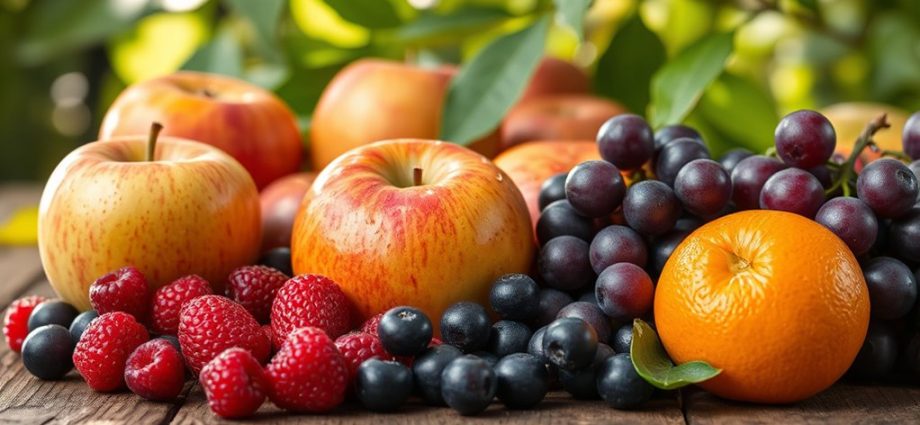
Whole fruit includes all edible parts, delivering fiber, vitamins, minerals, and antioxidants your body needs. You benefit most because fiber slows digestion, keeps you full longer, and helps control blood sugar—unlike fruit juice that lacks fiber and raises blood sugar quickly. Eating whole fruit supports weight management and reduces risks for chronic diseases like heart disease and diabetes. Understanding these points will help you make smarter choices for better health and wellness.
Whole fruit delivers a powerful combination of fiber, vitamins, minerals, antioxidants, and bioactive compounds essential for your health. When you eat whole fruit, you’re getting the full package: intact fiber that helps regulate digestion and keeps you feeling full longer, along with intrinsic sugars naturally embedded in the fruit’s cellular structure. This sugar is quite different from the free sugars found in fruit juices, which lack fiber and are absorbed rapidly, causing spikes in blood sugar levels. Additionally, fruits provide a feeling of satiety with fewer calories, which can aid weight management through appetite suppression.fiber benefits
The nutrients in whole fruit—such as vitamins C and A, folate, potassium, and dietary fiber—are often underconsumed in typical diets but play vital roles in maintaining ideal health. The fiber content in whole fruit not only promotes digestive health but also contributes to anti-inflammatory and antioxidant effects that help reduce the risk of chronic disease.
You’ll find this complex nutrient matrix in whole fruit prevents oxidative stress and inflammation, which are common underlying factors in heart disease, stroke, certain cancers, and type 2 diabetes. Clearer dietary guidelines are needed to help consumers distinguish these benefits from the risks associated with fruit juice consumption, as current recommendations are often confusing about whole fruit vs. juice.
Choosing whole fruit over fruit juice can have a significant impact on satiety and weight management. Because whole fruit is solid and rich in fiber, it slows gastric emptying, which helps suppress hunger. This physiological response encourages lower calorie intake throughout the day, as studies demonstrate that adding one extra serving of whole fruit daily can be linked to roughly one pound of weight loss over three years.
In contrast, drinking 100% fruit juice, despite being perceived as healthy by many, is associated with weight gain rates similar to those linked to sugar-sweetened beverages. Its rapid sugar absorption and lack of fiber do little to curb your appetite or regulate metabolism.
You should also be aware of how whole fruit compares to fruit juice beyond calories. Fruit juice, even when labeled 100% juice, misses out on most of the dietary fiber and contains concentrated free sugars, which can accelerate blood sugar spikes and increase your appetite.
In addition, consuming high amounts of fruit juice correlates with elevated risks of certain cancers, type 2 diabetes, and hypertension, though research is mixed. National dietary guidelines emphasize that at least half of your fruit intake should come from whole fruit, highlighting the importance of distinguishing the benefits of intrinsic sugars naturally present in fruit from the free sugars found in juices.
Eating a diet rich in whole fruits supports chronic disease prevention. Whole fruits like berries, apples, and grapes have been shown to reduce the risk of type 2 diabetes, improve cardiovascular health, and lower inflammation due to their antioxidants and polyphenols.
Adolescents and young adults who consume more whole fruit see a 25% reduced risk of breast cancer later on compared to those consuming less. Besides antioxidants, the fiber in whole fruit also helps lower cholesterol and better control blood sugar, two key factors in reducing disease risk.
Conclusion
Just like the wisdom of “an apple a day” has stood the test of time, choosing whole fruit matters because it delivers fiber, vitamins, and antioxidants all at once. You’re not just eating fruit—you’re fueling your body in the most natural, effective way. Skipping processed options means you’re embracing health with every bite, backed by science. So, keep the peel, the pulp, and the power—because whole fruit isn’t just food; it’s nature’s complete package for your well-being.