
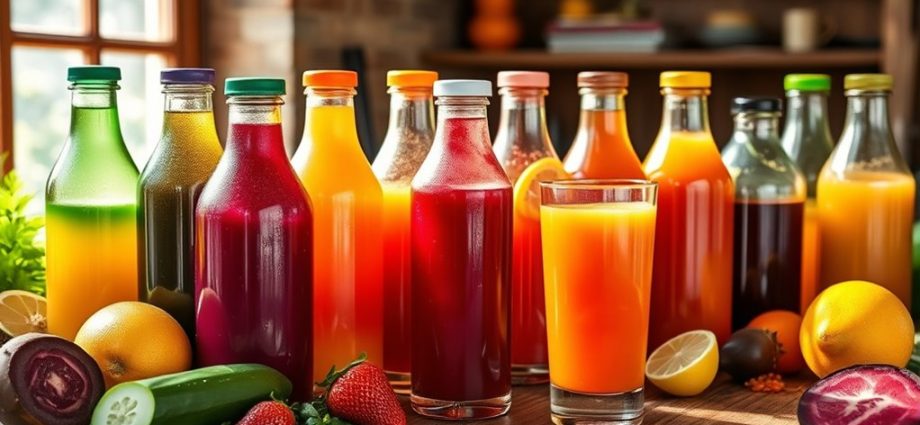
A 3-day juice cleanse can lead to rapid weight loss, primarily from water and glycogen loss. You’ll experience shifts in your gut microbiome, with harmful bacteria potentially increasing. Nutritional deficiencies may arise due to low calories and lack of protein and fiber, causing fatigue and irritability. Your cardiovascular system might show improved blood pressure, but be wary of increased inflammation. To maintain benefits, it’s essential to reintroduce solid foods gradually. Discover more insights on effective cleansing practices!
Initial Weight Loss and Its Implications
When you commence a juice cleanse, you might notice a significant drop in your weight within just a few days. This initial weight loss, typically around 1–3 kg (2.2–6.6 lbs), primarily reflects water and glycogen depletion rather than fat loss.
Glycogen stored in your muscles and liver binds water; as it depletes, you release this water, leading to rapid weight loss. Additionally, juices’ high water content increases urination, further reducing body weight. However, keep in mind that around 72% of lost weight tends to return within three days after resuming a normal diet. Relying on juice cleansing as a sustainable weight management strategy may set unrealistic expectations, as most rapid losses aren’t rooted in fat reduction. Furthermore, the initial weight loss can lead to negative consequences due to nutritional deficiencies that often arise from limited protein and nutrient intake during the cleanse.
Changes in the Gut and Oral Microbiome
As you undertake a juice cleanse, notable shifts occur in both your gut and oral microbiomes. In your mouth, you might see an increase in harmful Proteobacteria, which are linked to inflammation, and a drop in beneficial Firmicutes, crucial for oral health. Meanwhile, your gut microbiota largely stays stable; however, proinflammatory bacteria may increase due to the high sugar and low fiber content of juices. In fact, the scientific evidence supporting claims of health benefits from juice cleanses is limited and often points to potential harms.
- Increased inflammatory bacteria can elevate risks for gingivitis and metabolic disorders.
- Fiber deprivation disrupts the growth of beneficial bacteria, leading to potential health concerns.
- Both microbiomes often revert to baseline within two weeks after the cleanse, suggesting temporary changes.
It’s essential to take into account these effects during and after your juice cleanse.
Nutritional Deficiencies and Caloric Intake
While the juice cleanse may seem like a quick way to detox your body, it often leads to significant nutritional deficiencies and low caloric intake. Juice cleanses typically lack protein and healthy fats, essential for muscle maintenance and vitamin absorption.
You’ll consume only 800 to 1,310 calories daily, which can result in fatigue, irritability, and reduced concentration. Though you might receive high doses of some vitamins, the absence of fiber disrupts digestion and blood sugar stability, leading to potential spikes in glucose levels.
Additionally, if extended beyond a few days, you risk deficiencies in key nutrients like vitamin B12, calcium, and iron. Overall, this lack of balance can compromise your overall health and energy levels during the cleanse.
Cardiovascular and Biochemical Effects
Although juice cleanses are often marketed as a health-boosting diet, they can have varied cardiovascular and biochemical effects on your body.
Research suggests these cleanses might influence your heart health positively, but they can also trigger microbiome changes that may lead to inflammation.
Here are some key effects you might experience:
- Moderate fruit juice consumption can lower blood pressure, enhancing flow-mediated dilation.
- Juice diets increase nitric oxide levels, promoting vasodilation and reducing arterial stiffness.
- Some shifts in the oral microbiome could raise inflammation, impacting cardiovascular health.
Post-Cleanse Considerations for Lasting Results
To achieve lasting results after a juice cleanse, it’s essential to focus on gradually reintroducing solid foods and maintaining healthy habits. Start with hydrating fruits like watermelon and cucumber, then shift to light meals such as salads and smoothies.
Avoid drastic changes to prevent digestive discomfort, pacing the reintegration over several days. Hydration remains important; drink plenty of water and herbal teas to support detoxification.
Focus on whole, nutrient-dense foods and anti-inflammatory options while steering clear of processed products. Replenish your gut microbiome with probiotic-rich foods to aid digestion.
Finally, prioritize good sleep and regular exercise to complement your nutritious choices, enhancing overall well-being and sustaining the benefits gained from your cleanse.
Conclusion
After a 3-day juice cleanse, you’ll likely experience initial weight loss and a reset of your gut microbiome. But beware—the rapid shift in your diet can also lead to nutritional deficiencies. As your body adjusts, watch for changes in cardiovascular markers and biochemical levels. The vital question remains: how can you maintain these gains long-term? By being mindful of your post-cleanse choices, you can turn this brief experience into lasting transformation. The journey doesn’t end here; it’s just begun.