
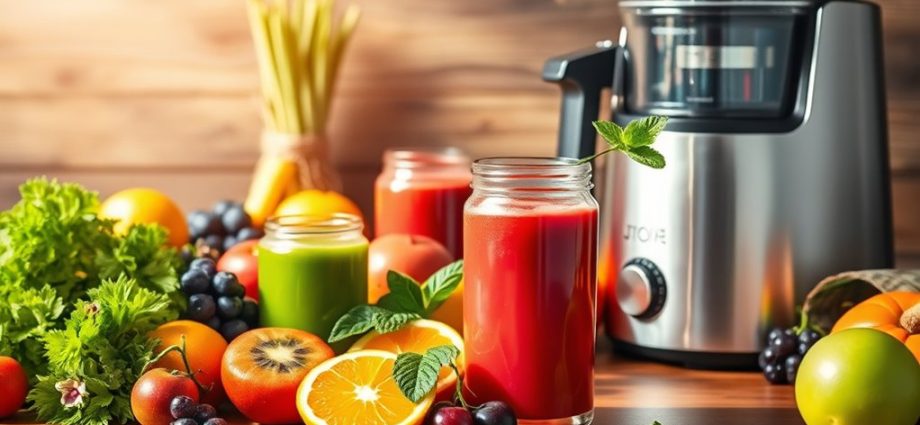
To create your own homemade juice cleanse, start by selecting fresh fruits and vegetables, like kale, spinach, apples, and carrots. Wash and prepare them, then juice your ingredients using a juicer. Aim for a mix that includes leafy greens for nutrients and fruits for flavor. Remember, avoiding fiber can impact digestion, so consider incorporating whole foods alongside your juices. Stay hydrated and listen to your body throughout the cleanse for better results. There’s more to learn about balancing your diet effectively.
If you’re considering a juice cleanse, it’s vital to understand both its potential benefits and risks. Juice cleanses often involve consuming only fruit and vegetable juices for periods ranging from three to thirty days. Many people initiate these cleanses with the hope of detoxification, weight loss, or digestive cleansing.
Although juices do provide vitamins, minerals, and antioxidants that support your immune system, the scientific backing for these claims is limited. Without the fiber found in whole fruits and vegetables, you miss out on essential benefits like blood sugar regulation and cholesterol management. Juicing removes fiber which impacts your microbiome negatively. Furthermore, relying solely on juices may undermine a well-balanced diet that is crucial for your overall health.
Juices offer vitamins and antioxidants, but lack fiber, limiting key health benefits like blood sugar control.
When you juice, you’re also cutting out protein, whole grains, and healthy fats, which can lead to nutritional deficiencies over time. A juice-only diet may result in gut microbiome imbalances; research suggests that such diets increase bacteria related to inflammation and gut permeability. During a juice cleanse, you might experience extreme hunger, headaches, fatigue, and irritability.
With low caloric intake, complications like electrolyte imbalances, low blood pressure, and dehydration are risks you shouldn’t overlook. In rare cases, prolonged juice cleanses could even lead to serious conditions like oxalate nephropathy, which affects kidney function.
You might believe that juice cleanses detoxify the body. However, credible scientific evidence doesn’t support this notion. Your liver and kidneys effectively manage detoxification without the aid of juice cleanses. While heightened fluid intake can support kidney function to some extent, it doesn’t enhance detoxification.
The laxative effects from digesting juices may create a false sense of toxin elimination, but they won’t improve your body’s natural ability to expunge pollutants or synthetic chemicals.
The impact on your gut and oral microbiome is also significant. Juice-only diets can drastically change the bacterial populations in your gut, often resulting in higher levels of inflammation-associated bacteria while diminishing beneficial strains.
This rapid change indicates that juice cleanses affect health-related bacterial communities. Notably, a diet of juice plus whole foods exhibits milder adverse microbiome effects, compared to a strict juice regimen. Whole plant-based diets instead promote positive microbiome modifications.
Though you might see quick weight loss during a juice cleanse, this is usually due to water and glycogen depletion rather than actual fat loss. The weight loss is often temporary, reverting once you resume normal eating habits. Changes in your microbiome might contribute to sustainable weight loss over time; however, further research is needed in this area.
Overall, juice cleanses aren’t a sustainable or effective method for lasting weight management or health improvement.
Before starting a juice cleanse, weigh the potential risks against your goals. Make sure you’re informed about the possible effects on your body, especially regarding gut health and nutritional balance.
You might find that incorporating whole foods along with freshly squeezed juices could provide a more balanced approach to improve your diet and wellbeing.
Conclusion
So, there you have it—your very own homemade juice cleanse, because why not? Who needs solid food when you can sip on a rainbow of fruits and veggies all day? Just remember, if you find yourself daydreaming about a cheeseburger by noon, you’re definitely on the right track! Fresh juice is the path to enlightenment, or at the very least, a very colorful bathroom experience. Cheers to your health—and may your blender never break!
Comments are closed, but trackbacks and pingbacks are open.