
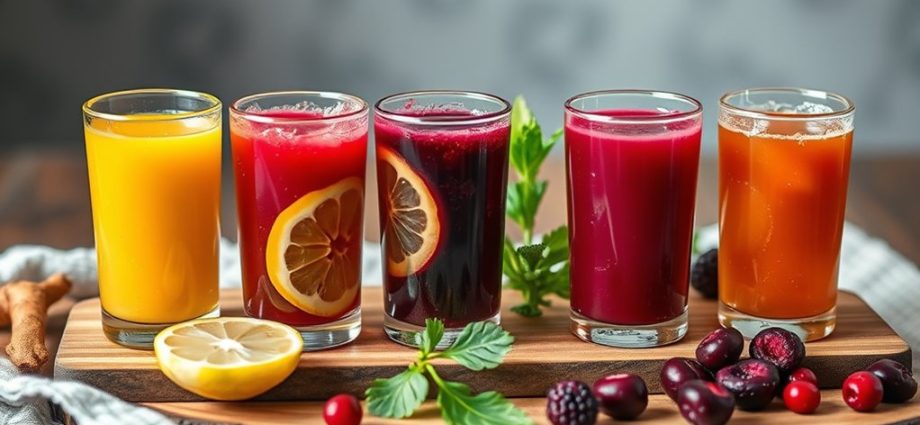
You’ll get targeted immune support from five evidence-backed shots: an orange shot for ~90 mg vitamin C per 8 oz to aid collagen synthesis and antioxidant defense; a concentrated ginger shot with gingerols/shogaols for anti-inflammatory and antimicrobial effects; a turmeric shot standardized for curcumin to downregulate NF-κB; a wheatgrass shot rich in chlorophyll and antioxidants; and a green probiotic smoothie shot for mucosal immunity. Keep going and you’ll find practical tips and dosing guidance next.
Orange Juice Shot — Vitamin C Powerhouse
Bright and portable, an orange juice shot delivers a concentrated dose of vitamin C—about 90 mg per 8-ounce serving, meeting the full daily value—along with folate (~15% RDI), potassium (~10% RDI), magnesium (~6% RDI) and antioxidant flavonoids and carotenoids.
You can use a small serving to boost antioxidant status, support phagocyte and lymphocyte function, and aid collagen synthesis relevant to wound healing. Fortified varieties also provide calcium and vitamin D that support bone health and systemic resilience.
Expect roughly 110–112 kcal, 2 g protein and ~21 g natural sugars per cup, so moderate portions are advised for metabolic health. Evidence shows regular intake reduces oxidative stress markers and inflammatory mediators; prioritize fresh or minimally processed juice to preserve vitamin C for best clinical effect. Its high vitamin C content can boost immune response and may reduce the severity and duration of colds.
Ginger Shot — Antioxidant & Anti-Inflammatory Boost
Because ginger concentrates bioactive gingerols and shogaols, a small ginger shot can quickly deliver measurable antioxidant and anti-inflammatory effects you can use to support immune resilience. It also demonstrates broad antimicrobial and antiviral effects, contributing to infection defense broad-spectrum activity.
You’ll gain ROS scavenging that lowers oxidative stress and reduces lipid peroxidation markers such as MDA, protecting cell membranes.
Ginger also upregulates catalase, SOD and glutathione peroxidase activity, enhancing endogenous antioxidant defenses.
Clinically, ginger downregulates NF-κB, inhibits COX-2 and reduces pro-inflammatory cytokines including IL-1, IL-6 and TNF-α, with documented CRP reduction.
Ginger suppresses NF-κB and COX-2, lowering IL-1, IL-6, TNF-α and CRP
It modulates immune cell activity and promotes IL-10 release, supporting balanced immune responses.
For practical use, combine fresh ginger juice with citrus for palatability and vitamin C.
Typical study doses range near 500 mg–1.5 g; individualize dosing and check drug interactions with your clinician.
Monitor symptoms regularly.
Turmeric Shot — Curcumin for Inflammation Support
One potent option is a small turmeric shot standardized for curcumin, which delivers clinically supported anti-inflammatory and antioxidant effects you can use to manage chronic inflammation.
You’ll get curcumin’s inhibition of TLR4/NF-κB and JNK pathways, lowering IL-1β, caspase-1 and COX-2 activity—mechanisms that mirror NSAID effects but with fewer adverse events.
In clinical settings, standardized curcumin reduced osteoarthritis pain (180 mg/day) and prolonged ulcerative colitis remission (2 g/day adjunct).
To optimize efficacy, take the shot with dietary fat or combined antioxidants to boost bioavailability; consider formulations with enhanced delivery (eg, nanoparticle or encapsulated curcumin).
Discuss dosing with your clinician—therapeutic ranges vary from tens to thousands of milligrams—and monitor symptoms and inflammatory markers to guide ongoing use.
Adjust regimen based on tolerability, labs, and clinical response.
Wheatgrass Shot — Antioxidant Detox Support
A concentrated wheatgrass shot delivers a potent mix of chlorophyll, vitamins C and E, flavonoids, minerals (zinc, selenium, iron, calcium, magnesium) and enzymes that together exert antioxidant, anti-inflammatory and detoxifying effects supported by preclinical and preliminary clinical data.
You can use a fresh wheatgrass shot to reduce oxidative stress markers and support blood health, as small studies report lower lipid peroxidation and stabilized hemoglobin. Its chlorophyll and flavonoids modulate immune cell activity and inflammatory cytokines, while enzymes and phenolics assist hepatic and colonic detoxification processes.
Preparation and dose matter: nutrient yield varies by fresh juice versus powders or tablets.
Preparation and dose matter: fresh wheatgrass juice typically delivers higher nutrient yield than powders or tablets
Consider wheatgrass as an adjunct to conventional care for inflammation, chemotherapy support, or metabolic regulation, and discuss use and safety with your clinician in practice.
Green Smoothie Shot — Leafy Greens & Probiotics
When you blend leafy greens with a targeted probiotic starter, you get a compact, nutrient-dense shot that delivers vitamins A, C, and K, electrolytes like potassium and calcium, and bioactives (curcumin, gingerol, bromelain) that together support immune function, reduce inflammation, and aid digestion.
You’ll get vitamin C from lemon and pineapple to support leukocyte function, while probiotics modulate gut-associated lymphoid tissue, enhancing mucosal immunity. Low sugar and electrolyte content make this suitable for clients managing calories or hydration.
Ginger and turmeric provide clinically observed anti-inflammatory effects; bromelain and enzymes aid digestion. Celery, cucumber, and greens supply hydration and minerals without excess fiber burden.
Consume regularly as a concentrated adjunct to a balanced diet and personalized care plan. Under clinician supervision when indicated for safety.
Conclusion
You’ll find focused, feasible shots—orange, ginger, turmeric, wheatgrass, green—that deliver targeted nutrients supported by clinical evidence to bolster immune balance. Use measured, moderate doses, monitor responses, and consult your clinician if you take medications or have conditions. Combining citrus, curcumin, chlorophyll, and probiotics can create synergistic, science-based support, yet individualized assessment guarantees safety and efficacy. Start slowly, stay consistent, and we’ll track outcomes together and adjust plans based on objective biomarkers and symptoms over time.