
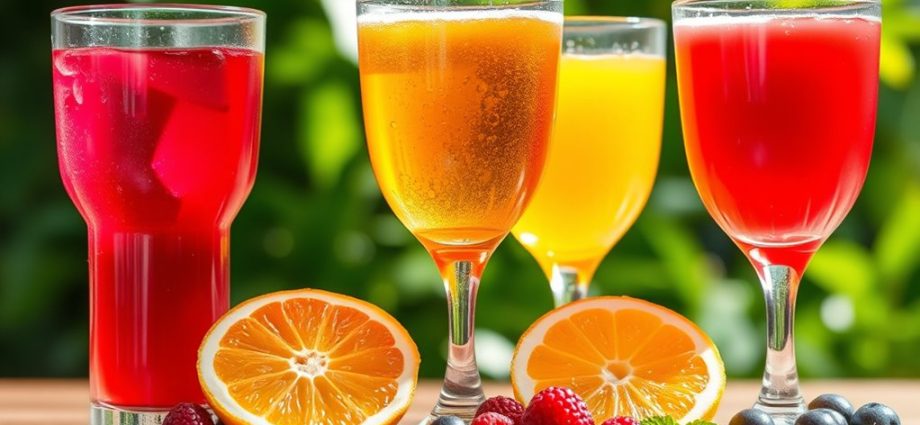
Choosing low sugar fruit juice is a smart way to boost your health. It offers essential nutrients without the added sugars, helping to reduce your risk of type 2 diabetes and coronary heart disease. By moderating your intake to 1-2 cups a day, you can enhance your diet and effectively replace sugary drinks. This option is perfect if you struggle with whole fruits or want to improve your nutrition. Discover how it can fit into your lifestyle for even better benefits.
Low sugar fruit juice is an appealing alternative to sugary beverages, offering essential nutrients without the added sugars that contribute to health issues. If you’re looking to improve your overall health and reduce your risk of conditions like type 2 diabetes and coronary heart disease, think about substituting 100% fruit juice for sugar-sweetened drinks. Studies show that doing so can lower your risk of type 2 diabetes by 17% and your risk of coronary heart disease by 12%. This isn’t just a matter of swapping one drink for another; it’s about making a healthier choice that could lead to substantial long-term benefits.
While it’s important to moderate your intake, consuming 75 to 224 milliliters of 100% fruit juice each day hasn’t been linked to an increased risk of metabolic diseases, obesity, or cardiovascular issues. In fact, some studies suggest that 100% fruit juice can enhance vascular function and lower blood pressure. Moderate consumption of 100% FVJ has the potential to support vascular health, presenting a compelling argument for including moderate amounts of fruit juice in your daily routine instead of reaching for that sugary soda.
When discussing health benefits, it’s important to evaluate the nutritional composition of these juices as well. 100% fruit juices pack a punch of key micronutrients, such as vitamin C, potassium, and folate, which play essential roles in public health nutrition. Additionally, substituting fruit juice for added sugar beverages highlights the effectiveness of juice in reducing cardiometabolic risk.
Unlike sugar-sweetened beverages, they also contain beneficial bioactive compounds like flavonoids and polyphenols, known for their antioxidant and anti-inflammatory properties. For instance, orange juice serves as a primary dietary source of hesperidin, which may help reduce blood pressure for some individuals.
You might be concerned about the sugar content, but remember that 100% fruit juice accounts for only about 2.9% of total sugar intake in the average diet, making it far less impactful than sugary sodas. While it does contain free sugars, these are naturally occurring and come alongside valuable nutrients.
To keep your sugar intake in check, it’s recommended to limit yourself to 1-2 cups (240-480 ml) a day. Even with the fiber loss during juicing, the nutrients you gain are far better than any soft drink could offer.
Integrating low sugar fruit juice into your diet can lead to improved nutrient adequacy and diet quality. It can replace less nutritious beverages that provide empty calories, helping you meet your daily fruit and vegetable intake in a more affordable way.
For those who mightn’t enjoy or have access to whole fruits and vegetables, juice can help bridge that gap, ensuring you still get important vitamins and minerals without substantial energy increase when consumed properly.
Choosing low sugar fruit juice not only supports your nutrient intake but can be a smart strategy in pursuing a healthier, balanced lifestyle. Make that swap, and you’ll be making a decision that’s good for your taste buds and your health.
Conclusion
Incorporating low sugar fruit juice into your diet is a simple yet impactful choice for a healthier lifestyle. By opting for these beverages, you’re not just cutting down on excess sugar; you’re also fueling your body with essential vitamins and antioxidants. Imagine savoring the rich flavors without the guilt of high sugar content. So, why settle for sugary drinks when delicious, nutritious options are available? It’s time to make smarter choices for your well-being and enjoy the revitalizing benefits of low sugar juices!
Comments are closed, but trackbacks and pingbacks are open.