
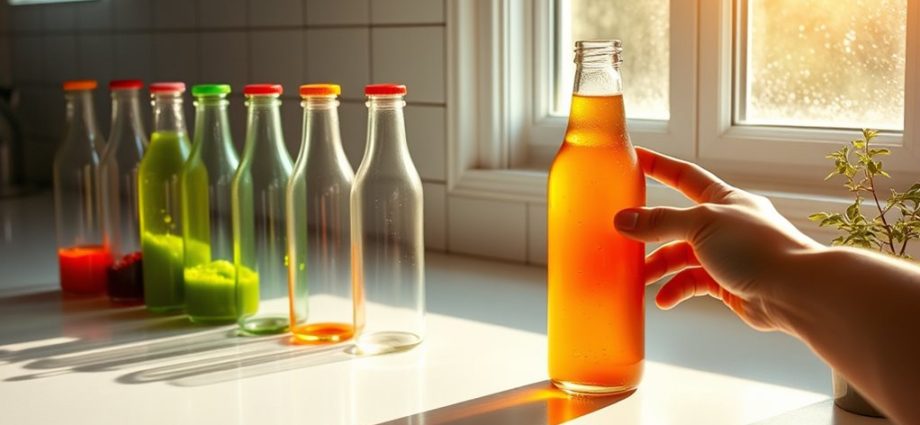
To successfully complete a one-day juice cleanse, you’ll need to prepare by avoiding alcohol, caffeine, and processed foods 24 hours beforehand. Schedule your cleanse on a low-stress day and consume four to six cold-pressed, organic juices providing 800–1,300 calories. Stick to light activities like walking or yoga, as energy dips are common. Include one or two light snacks if needed to stabilize blood sugar. Afterward, gradually reintroduce solid foods to avoid digestive distress. Understanding your body’s signals throughout this process will help you navigate the experience more effectively.
While juice cleanses have surged in popularity as a quick reset for the body, their effectiveness and safety depend largely on how you approach them. If you’re planning a one-day juice cleanse, proper preparation and realistic expectations are essential for a successful experience.
Begin by avoiding alcohol, caffeine, processed foods, and heavy meals for at least 24 hours before your cleanse. This reduces the risk of withdrawal headaches and digestive discomfort. Hydrate well with water during this preparation period to support your kidneys and digestive system. Schedule your cleanse during a low-stress, low-activity day when you can focus on rest rather than demanding physical or mental tasks.
A typical one-day cleanse includes four to six servings of juice, each around 16–20 ounces, spaced throughout the day. Choose cold-pressed, organic juices when possible to maximize nutrient density and minimize pesticide exposure. However, recognize that even a well-designed juice cleanse provides only 800–1,300 calories daily—below what most adults need. The macronutrient balance skews heavily toward simple carbohydrates and vitamins while remaining very low in protein and fat.
Consider selecting a program that includes one or two light solid snacks like vegetable broth, chia pudding, or pea soup. These additions provide fiber and help stabilize blood sugar levels, reducing the risk of energy crashes, dizziness, and lightheadedness that can occur with juice-only intake.
While juices contribute notably to fluid intake due to their high water content, you’ll still need to drink six to eight additional glasses of plain water throughout the day. Fruit-heavy juices can increase urine output, raising your fluid needs further.
Your energy levels will likely dip, particularly in the first few hours, due to low calorie and protein intake. Blood sugar fluctuations are common, especially with high-sugar juice combinations. Stick to light activities like walking, stretching, or yoga, and avoid intense exercise. If you experience fatigue, dizziness, or lightheadedness, pause your activity and reassess whether you need additional nutrition.
Be aware of how juice-only intake affects your digestive system. Removing most insoluble fiber reduces bulk and alters gut motility, potentially causing bloating or gas as your body adjusts. Short-term cleanses may temporarily change gut bacteria composition, with some research showing increases in pro-inflammatory strains. Including fiber-rich snacks helps maintain digestive balance during this period.
Common side effects include headaches, fatigue, and irritability, often resulting from caffeine withdrawal or insufficient calories. These symptoms don’t indicate your body is “detoxing”—they’re simply responses to reduced intake. Following the cleanse, you may notice improved energy levels as your body transitions back to a balanced diet. After completing your cleanse, gradually reintroduce solid foods to prevent digestive distress and allow your system to readjust comfortably.
Long-term or repeated juice-only cleanses can negatively impact your gut microbiome and overall health, so limit cleanses to occasional, short-duration events rather than regular habits. Approach your one-day cleanse with preparation, awareness of your body’s signals, and recognition that sustainable nutrition habits matter far more than quick fixes.
Conclusion
You’ve learned the steps, prepared your body, and navigated the challenges. As you complete your one-day juice cleanse, remember that sustainable wellness comes from balanced nutrition, not from quick fixes. You’ve experimented with juicing, you’ve listened to your body, and you’ve gained valuable insights. Moving forward, focus on whole foods, adequate protein, and fiber-rich meals. Let this experience inform your choices, enhance your awareness, and support your long-term health goals through evidence-based practices.
Comments are closed, but trackbacks and pingbacks are open.