
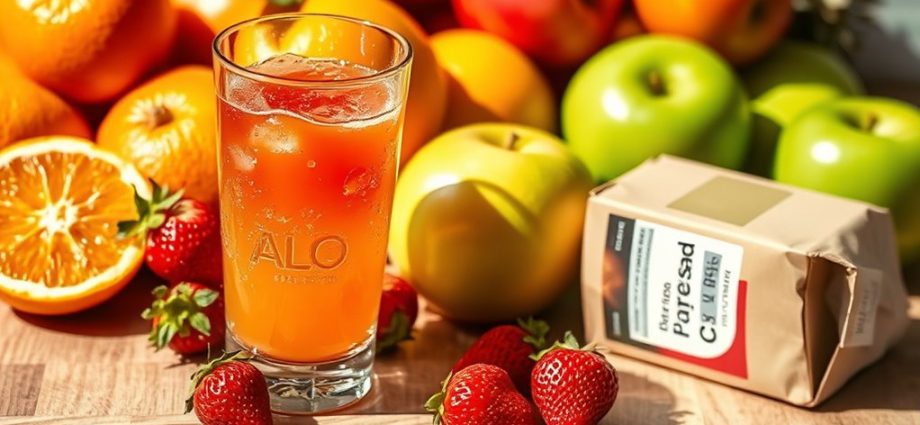
Real fruit juice is healthier than processed varieties because it retains essential fiber, which promotes fullness and stabilizes blood sugar. Processed juices often contain high amounts of sugars, similar to sugary sodas, without the benefits of fiber, leading to rapid spikes in blood sugar levels. Whole fruits, on the other hand, offer a rich combination of vitamins, minerals, and antioxidants that support overall health. Discover why choosing whole fruit over juice can make a significant difference in your diet.
Which option is better for your health: real fruit juice or processed juice? To determine this, you need to look at several key factors, including fiber content, sugar composition, micronutrient differences, and even caloric effects. When comparing real fruit juice with processed juice, it’s evident that real fruit juice holds a significant advantage.
Firstly, consider the fiber content. Whole fruits are rich in dietary fiber, an essential component for digestive health and promoting a feeling of fullness. When fruit is processed into juice, much of this valuable fiber is stripped away. Without fiber, the sugars from juice are absorbed quickly into your bloodstream, leading to rapid spikes in blood sugar and insulin levels. This can have negative implications for your long-term health, particularly if you’re concerned about managing blood glucose levels or preventing type 2 diabetes. Whole fruits help in feeling fuller for longer slow sugar absorption, which helps to keep your blood sugar stable and contributes to lower cholesterol rates.
Whole fruits provide essential fiber, promoting fullness and stable blood sugar, unlike processed juices that spike insulin levels.
You should also be aware of the sugar composition in juices. While 100% fruit juice may seem healthy, it contains similar amounts of free sugars as sugary sodas. An 8-ounce serving might have anywhere from 15 to 30 grams of sugar, which can contribute to weight gain over time. Studies indicate that while you might lose weight with whole fruit consumption, regular juice intake is linked to slight increases in weight due to its high sugar content and low fiber, which means you mightn’t feel as full after drinking.
Next, let’s talk micronutrients. While fruit juice retains some vitamins and minerals, such as vitamin C and potassium, you often lose much of the beneficial phytochemicals and antioxidants when you juice. These components are typically bound to fiber in whole fruit, providing broader health benefits that processed juice can’t match. Although some juices can improve certain health markers like vascular function, they don’t consistently affect cholesterol levels in the same favorable way whole fruits do.
Caloric content also plays a significant role in your health. Juice is calorie-dense because it packs concentrated sugars without the fiber that helps regulate metabolism. An 8-ounce serving of juice can range from 60 to 120 calories, but because it lacks fiber, you may feel inclined to consume more calories overall or snack more frequently. This goes against the goal of maintaining a balanced diet.
Finally, processing methods can further diminish juice’s health benefits. Pasteurization and filtration can remove heat-sensitive nutrients, and many commercially available juices also contain added sugars or other additives that distance them from their natural counterparts. Cold-pressed juices may retain more nutrients, but still lack critical fiber.
Conclusion
Ultimately, opting for real fruit juice is like choosing a vibrant, fresh garden over a dull, pre-packaged meal. Real fruit juice retains most of the vitamins, minerals, and antioxidants from the fruit itself, while processed juice often contains added sugars, preservatives, and artificial flavors. By selecting genuine juice, you’re not just quenching your thirst; you’re fueling your body with essential nutrients that support your overall health, making it a far more beneficial choice.
Comments are closed, but trackbacks and pingbacks are open.