
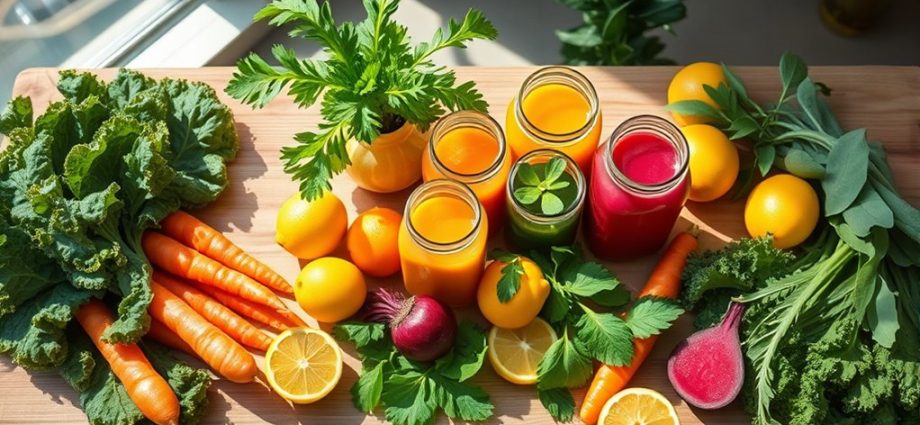
A 10-day cleanse leverages your body’s natural detoxification processes to help eliminate harmful substances and boost your energy. Popular methods include juice cleanses, fasting, and diet adjustments, which can improve digestion and promote weight loss. While benefits vary, it’s essential to be aware of potential risks like nutrient deficiencies and gastrointestinal distress. You’ll also want to focus on nourishing foods post-cleanse. Discover more about effective strategies and nutritional choices to support your health journey.
Understanding the Concept of Detoxification
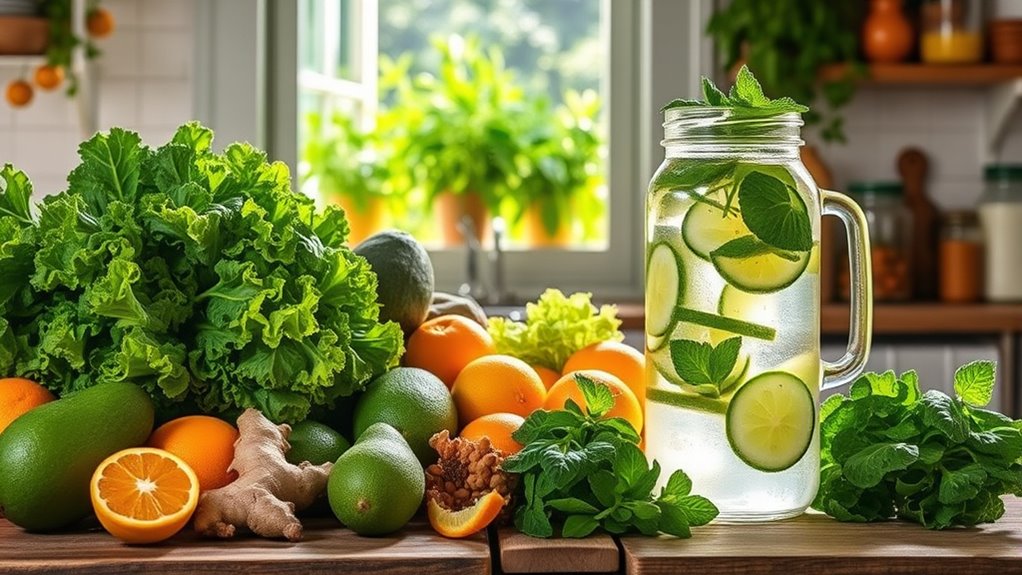
Detoxification, while often surrounded by trendy diets and cleansing fads, is fundamentally about your body’s natural processes for eliminating harmful substances.
Your liver plays a key role, filtering blood and processing toxins that enter through ingestion, inhalation, or skin contact. The kidneys also help by filtering waste, producing urine to expel toxins. The main organ responsible for detoxification is the liver, highlighting its essential role in maintaining overall health.
The liver and kidneys work together, filtering blood and waste to effectively eliminate toxins from the body.
Your colon acts as a self-cleaning organ, excreting residual waste after nutrient absorption. Meanwhile, your lungs rid the body of carbon dioxide and filter air contaminants with cilia and mucus.
The body employs enzymatic processes to reduce toxicity, ensuring effective detoxification through coordinated efforts across these organs.
Popular Methods for Cleansing
As you explore popular methods for cleansing, you’ll encounter various approaches that promise to rejuvenate your body and enhance your well-being.
Juice cleanses involve consuming only fruit and vegetable juices for a set period, often leading to quick weight loss mainly from caloric restriction and fluid loss. Moderate caloric restriction may help jumpstart healthier habits and curb sugar cravings.
Fasting-based detoxes, including intermittent and complete fasting, aim to give your digestive system a break, although scientific backing for toxin elimination is limited.
Supplement and herbal detoxes often include ingredients like milk thistle and dandelion root, lacking strong clinical support for their claims.
Colon cleansing uses enemas or laxatives to flush the intestines, with potential risks involved.
Diet-based detox approaches focus on fiber-rich foods and hydration to naturally support your body’s detoxification processes.
Potential Benefits of a 10-Day Cleanse
Many people turn to a 10-day cleanse with hopes of experiencing various benefits for their health and well-being. One potential advantage is detoxification, where some studies suggest reductions in toxic trace elements in the body.
You might also notice short-term weight loss, largely due to caloric restriction and reduced processed food intake, which can facilitate better weight management. Detoxing can improve digestive health by increasing fiber intake, promoting bowel regularity, and reducing discomfort from bloating or gas.
Additionally, many report feeling more energized and focused, possibly due to stabilized blood sugar levels and improved hydration. While these benefits can enhance your overall well-being, remember that results vary and aren’t guaranteed for everyone.
Risks and Safety Concerns to Consider
While a 10-day cleanse may seem appealing for quick health benefits, it’s crucial to recognize the risks and safety concerns that can accompany such regimens. Here are some things to examine:
- Detox products may contain harmful ingredients and false claims, risking your health.
- Severe side effects like gastrointestinal distress and nutrient deficiencies can occur.
- High-oxalate foods may lead to kidney stones, especially when consumed in excess.
- Vulnerable populations, such as pregnant women and those with pre-existing conditions, face elevated risks.
- Lack of medical supervision increases your vulnerability to malnutrition and imbalances.
Before committing to any detox plan, weigh these concerns carefully and consult a healthcare professional to determine what’s best for your health.
The Science Behind Detox Diets
Understanding the science behind detox diets is essential, especially given the numerous claims surrounding them. Many detox diets lack strong scientific backing; no randomized controlled trials confirm their effectiveness for toxin elimination or weight loss.
Your body naturally detoxifies through organs like the liver and kidneys, which function best with balanced nutrition. While detox diets may lead to initial weight loss due to calorie restriction, they often omit crucial nutrients like protein, which support detoxification enzymes.
Some foods may show potential detox properties in lab studies, but without human trial confirmation, claims remain unvalidated. Ultimately, improved health often stems from better nutrition and lifestyle changes rather than detox diets themselves.
What to Expect During Your Cleanse

As you commence on a 10-day cleanse, it’s important to know what you might experience along the way. Your body will be undergoing significant changes, and here’s what to expect:
- Fatigue and low energy as your body focuses on detoxification.
- Increased urination, signaling toxin elimination.
- Digestive disturbances, including bloating, gas, and potential diarrhea.
- Headaches or flu-like symptoms during the initial “healing crisis.”
- Mood swings, irritability, or anxiety due to withdrawal from sugars and caffeine.
While these symptoms can be uncomfortable, they usually pass.
By the end of your cleanse, you’re likely to feel a boost in energy, improved digestion, clearer skin, and better overall mood.
Just remember, these early reactions are signs of your body working hard to reclaim its health!
Tips for a Successful 10-Day Detox
Completing your cleanse can leave you feeling motivated to maintain the positive changes you’ve started.
Begin with a preparation phase—clear out processed foods, sugar, caffeine, and alcohol from your kitchen. Planning your meals around low-allergen, anti-inflammatory foods rich in vegetables is essential; this keeps you nourished and satisfied.
Start your cleanse by removing processed foods, sugar, caffeine, and alcohol to create a nourishing, anti-inflammatory meal plan.
Make hydration a priority by drinking plenty of filtered water and herbal teas. Incorporate moderate exercise, like brisk walking or yoga, to support detoxification and encourage circulation.
Don’t forget to engage in stress reduction methods; journaling or meditation can enhance your mental focus.
Finally, guarantee proper rest and avoid calorie deprivation. This balanced approach will help you navigate your detox successfully and sustainably.
Nutritional Choices for Your Cleanse
Choosing the right foods during your 10-day cleanse is essential for maximizing the benefits of detoxification. Focus on a whole-foods diet while eliminating processed items and common allergens.
Here are some nutritional choices to guide you:
- Prioritize dark leafy greens and cruciferous vegetables for their antioxidant properties.
- Incorporate high-quality proteins like pasture-raised chicken, wild-caught fish, or plant-based tofu.
- Use healthy fats, such as avocado and olive oil, to support satiety and nutrient absorption.
- Drink plenty of water, herbal teas, and natural juices to aid detoxification.
- Gradually reintroduce foods post-cleanse to identify any sensitivities.
The Myth of Permanent Weight Loss
Although many people believe that achieving and maintaining permanent weight loss is simply a matter of willpower and dieting, the reality is far more complex.
Statistics show that only about 30% of individuals maintain their weight loss for at least 18 months, and over half regain lost weight within two years. Your body naturally fights weight loss through metabolic adaptations that can increase hunger and decrease energy expenditure.
Misconceptions, like the calorie-insulin model, oversimplify the process, ignoring that weight regain is often driven by increased calorie intake, not solely metabolic slowdown.
Being mindful of these factors is essential. Long-term success requires a commitment to lifestyle changes, support, and understanding your body’s biological tendencies.
Transitioning Back to a Balanced Diet
As you finish your detox, shifting back to a balanced diet is essential to support your recovery and overall health.
Gradual reintroduction of foods will help your body adapt and restore nutrient balance. Here are some key points to take into account:
- Focus on high-fiber foods like whole grains, vegetables, and legumes for digestive health.
- Prioritize nutrient-dense superfoods, such as fruits, nuts, and seeds, for cognitive healing.
- Minimize processed foods to reduce inflammation and support detox pathways.
- Establish consistent meal patterns to stabilize metabolism and aid absorption.
- Stay hydrated to optimize metabolic function and support recovery.
Taking these steps will guarantee your shift back to a balanced diet is sustainable, aiding your long-term health journey.
Conclusion
As you wrap up your 10-day cleanse, remember that while you may feel lighter and more energized, lasting weight loss comes from sustainable lifestyle changes, not quick fixes. Detox diets can spark motivation, but they shouldn’t replace balanced nutrition. Research shows that consistent healthy habits, like regular exercise and nutritious meals, are key to long-term wellness. So, embrace your newfound clarity, but be ready to shift back to a balanced diet for lasting benefits and health.