
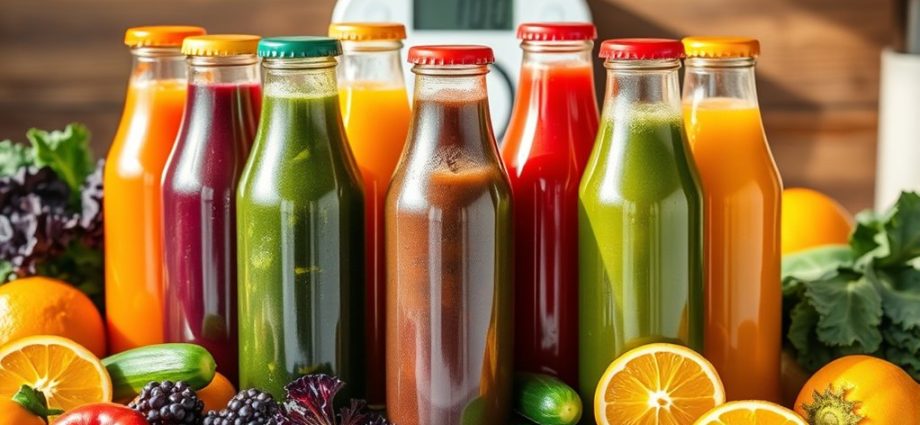
You can expect to lose about 1.2 kg (2.6 pounds) during a three-day juice cleanse, but most of that weight is water, not fat. Juice cleanses typically have very low calorie counts, which can lead to quick water weight loss. However, sustainable weight management relies on gradual lifestyle changes, as rapid loss can also mean muscle loss and nutrient deficiencies. To learn more about the implications of juice cleanses, keep exploring further.
While initiating a juice cleanse might seem like a quick fix for weight loss, it’s important to understand the nuances of what you’re really experiencing. Many people report losing around 1.2 kg, which is roughly 2.6 pounds, during a three-day juice-only diet. However, most of this weight loss typically occurs immediately after the cleanse and often consists largely of water weight rather than actual fat loss.
If you’re contemplating a juice cleanse, it’s vital to recognize that the initial weight shed mightn’t reflect long-term changes, as weight regain is common when normal eating resumes.
One major factor to take into account is the caloric intake during juice cleanses. Typically, these diets provide very low calories—often falling well below daily maintenance levels—sometimes around 1,310 kcal per day, compared to the recommended 1,600–2,500 kcal per day for most adults. This drastic caloric deficit leads to rapid weight loss because of energy restriction, but it can come with undesirable effects.
Many juice cleanses suggest consuming fewer than 1,000 kcal daily, which raises the risk of nutrient deficiencies and could result in harmful impacts on health.
When you begin a juice cleanse, early weight loss primarily comes from the depletion of water and glycogen, the stored form of carbohydrates in your body. Although some fat loss may occur, it’s generally minimal and slower compared to how quickly you lose water weight.
It’s also worth mentioning that muscle mass loss can begin after just a few days without solid food, particularly if your protein intake is lacking. This loss can negatively impact your health and metabolism. Sustainable weight management relies on gradual lifestyle changes rather than quick fixes, highlighting the importance of a balanced diet.
Additionally, the type of weight you lose during a juice cleanse indicates that these diets may not be sustainable for long-term weight management. Juice cleanses lack adequate protein and fiber, which are essential for balanced nutrition and maintaining muscle mass.
Without sufficient fiber, you could experience negative effects on gut health, including issues with nutrient absorption. Prolonged reliance on juice may also lead to irritability, fatigue, and other complications stemming from nutrient deprivation.
Juice cleanses can also affect your gut microbiota, potentially altering the composition of gut bacteria tied to weight loss. Research shows that a study showed that a 3-day juice cleanse markedly changed gut bacteria composition, linked to sustained subtle weight reductions for up to two weeks. However, these alterations could also lead to increased inflammation and reduced microbiome diversity, both of which may negatively impact metabolism and gut health.
Conclusion
In summary, while you might shed several pounds on a juice cleanse, it’s essential to remember this isn’t a sustainable weight loss solution. Much like a balloon that deflates after losing air, any rapid weight loss often rebounds once normal eating resumes. For lasting results, focus on balanced nutrition and regular exercise instead. A juice cleanse can be a short-term reset, but it’s not a magic fix for long-term health and weight management.
Comments are closed, but trackbacks and pingbacks are open.