
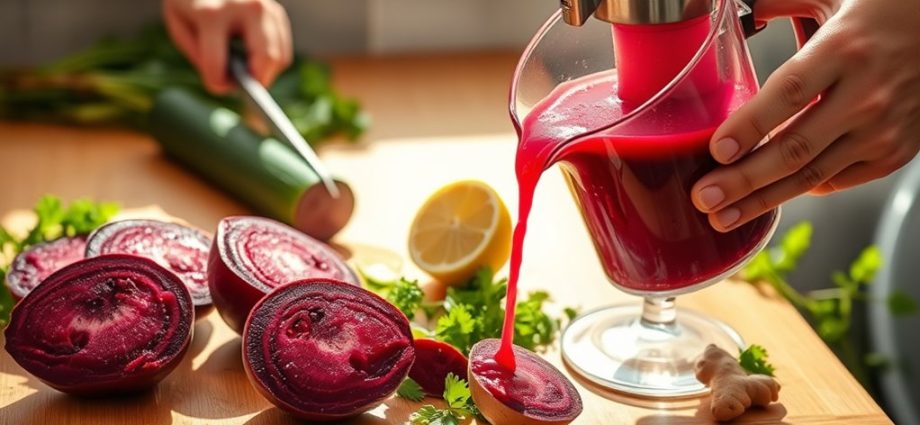
You’ll support kidney function with a simple, hydrating juice: combine cucumber, celery, a small lemon, a handful of berries or beet for antioxidants, and coconut water; avoid high‑potassium or high‑oxalate additions if you have kidney disease. Wash and chop produce, juice or blend then strain, serve about 6–8 oz, refrigerate tightly and use within 72 hours. Monitor fluids and electrolytes and consult your clinician for personalized guidance — more practical steps and safety details follow.
Why Kidney Cleansing Matters
Because your kidneys filter roughly 50 gallons of blood each day and regulate fluid, electrolyte, and blood-pressure balance through hormonal signals, protecting their function is central to overall health.
You’ll prioritize kidney-preserving behaviors because impaired renal function causes toxin accumulation, fatigue, edema, hypertension and raises cardiovascular and mortality risk; chronic kidney disease affects over 10% of people worldwide.
Oxidative stress, inflammation and loss of specialized cells like podocytes drive irreversible scarring and progressive failure, often silently.
Interventions that reduce oxidative stress, support autophagy and lower hemodynamic load can slow decline and complement medical care.
Early hydration, blood-pressure control and evidence-based adjuncts help maintain filtration, acid–base balance and immune support, preserving long-term metabolic health.
You should discuss tailored strategies with your clinician without delay. Recent research identified a novel drug AC1903 that showed benefit in animal models of kidney disease.
Ingredients You’ll Need
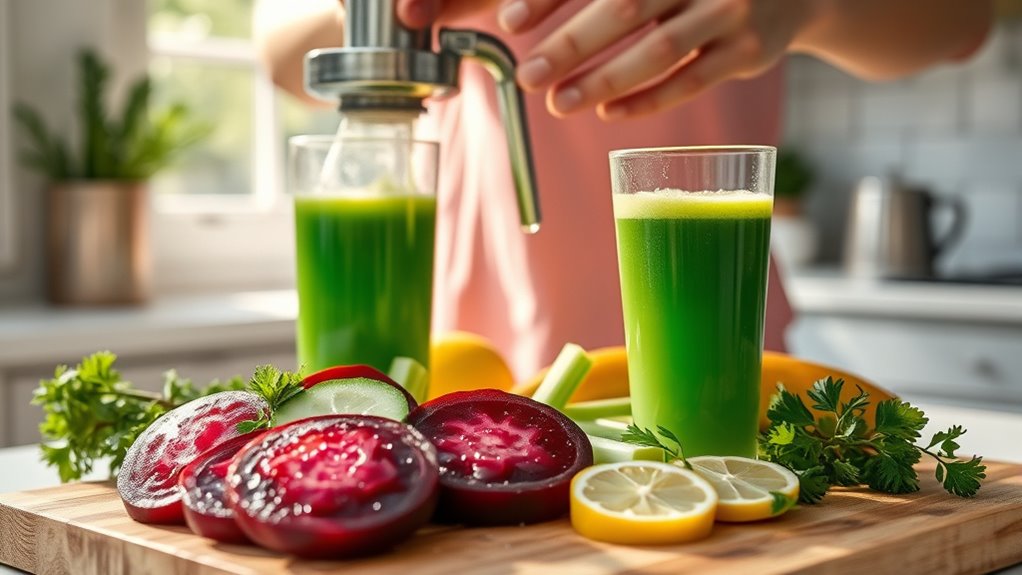
When assembling your kidney-cleanse juice, prioritize ingredients that support hydration, citrate levels, and antioxidant—and anti‑inflammatory—activity: cucumber, coconut water, and celery for fluid and gentle diuresis; lemon, lime, or orange for citrate to reduce calcium‑oxalate stone risk; and beets, berries, spinach, and turmeric for antioxidant and anti‑inflammatory support.
Include green apple, pear, and pineapple for palatability and vitamin C without large glycemic loads. Add mint or parsley for mild alkalizing and chlorophyll content. Use ginger and turmeric for clinically relevant anti‑inflammatory effects.
Consider cranberries or tomato for urinary tract and hydration benefits. Favor fresh produce, moderate portions of higher‑sugar fruits, and consult your clinician if you have renal impairment, potassium concerns, or take diuretics or anticoagulants. Incorporating these ingredients can also help improve hydration and increase intake of raw vegetables, which boosts energy.
Adjust quantities based on lab results and medical guidance.
Step-by-Step Preparation Method
Before you start juicing, rinse and inspect all produce, peel tougher skins if desired, remove apple cores, and chop items to fit your juicer or blender—these simple steps reduce contamination risk, improve texture, and protect equipment.
Next, assemble ingredients in an order that promotes efficient extraction: hard vegetables and roots first, leafy herbs and citrus last to flush residues and balance flavor.
Use a juicer for maximal yield; if you blend, process thoroughly then strain through a fine mesh or cheesecloth for clarity. Add ginger or turmeric sparingly for anti‑inflammatory support and squeeze citrus to increase citrate content.
Stir strained juice to homogenize flavor. Clean equipment immediately to prevent bacterial growth and preserve device performance.
Follow these steps to produce a safe, consistent juice.
Serving, Storage, and Portion Guidelines
Although juice can be a convenient way to boost hydration and nutrients, you should keep servings small (generally under 8 ounces), limit ingredients to five or fewer, and prioritize low‑potassium produce (apples, berries, pineapple, carrots, celery, cucumbers, kale) to reduce kidney burden.
Serve juices fresh and in moderate portions spread through the day to support steady nutrient absorption and hydration; avoid large single servings or late‑night intake to reduce fluid load.
Refrigerate juice immediately in tightly sealed containers, label with the preparation date, and consume within 72 hours to preserve vitamins and antioxidants.
Avoid freezing leafy‑green or herb‑heavy juices.
After a short juice period, shift gradually to light, plant‑based meals like soups and cooked vegetables to ease digestive readjustment.
Keep portions individualized to needs.
Safety Considerations and When to Consult a Professional
Because unpasteurized or improperly handled juices can carry harmful bacteria and because some ingredients (like high-oxalate greens or concentrated fruit juices) can worsen kidney stone risk or blood-sugar control, you should treat any kidney cleanse as a medical decision rather than a casual trend.
Before starting, tell your clinician if you have kidney disease, diabetes, heart or gastrointestinal conditions, or if you’re pregnant, elderly, or immunocompromised. Limit high-oxalate and high-potassium recipes if advised, avoid prolonged fasting without supervision, and don’t rely on commercial cleanse claims.
Watch for dehydration, electrolyte changes, swelling, or reduced urine and promptly seek immediate care for those signs. Consult a registered dietitian for individualized plans, and stop the cleanse if you experience dizziness, palpitations, severe GI symptoms, or mood changes.
Conclusion
You’ll likely notice modest improvements when you pair this juice with standard kidney‑protective practices; by coincidence, clinicians already advise those same steps — hydration, blood‑pressure control, diabetes management, and medication review. Treat the juice as an adjunct, not a replacement, and monitor symptoms and labs. If you have chronic kidney disease, diabetes, or take prescription medications, consult your clinician first. Evidence supports lifestyle adjuncts; personalized medical oversight guarantees safety and effectiveness, and regular follow-up appointments.